
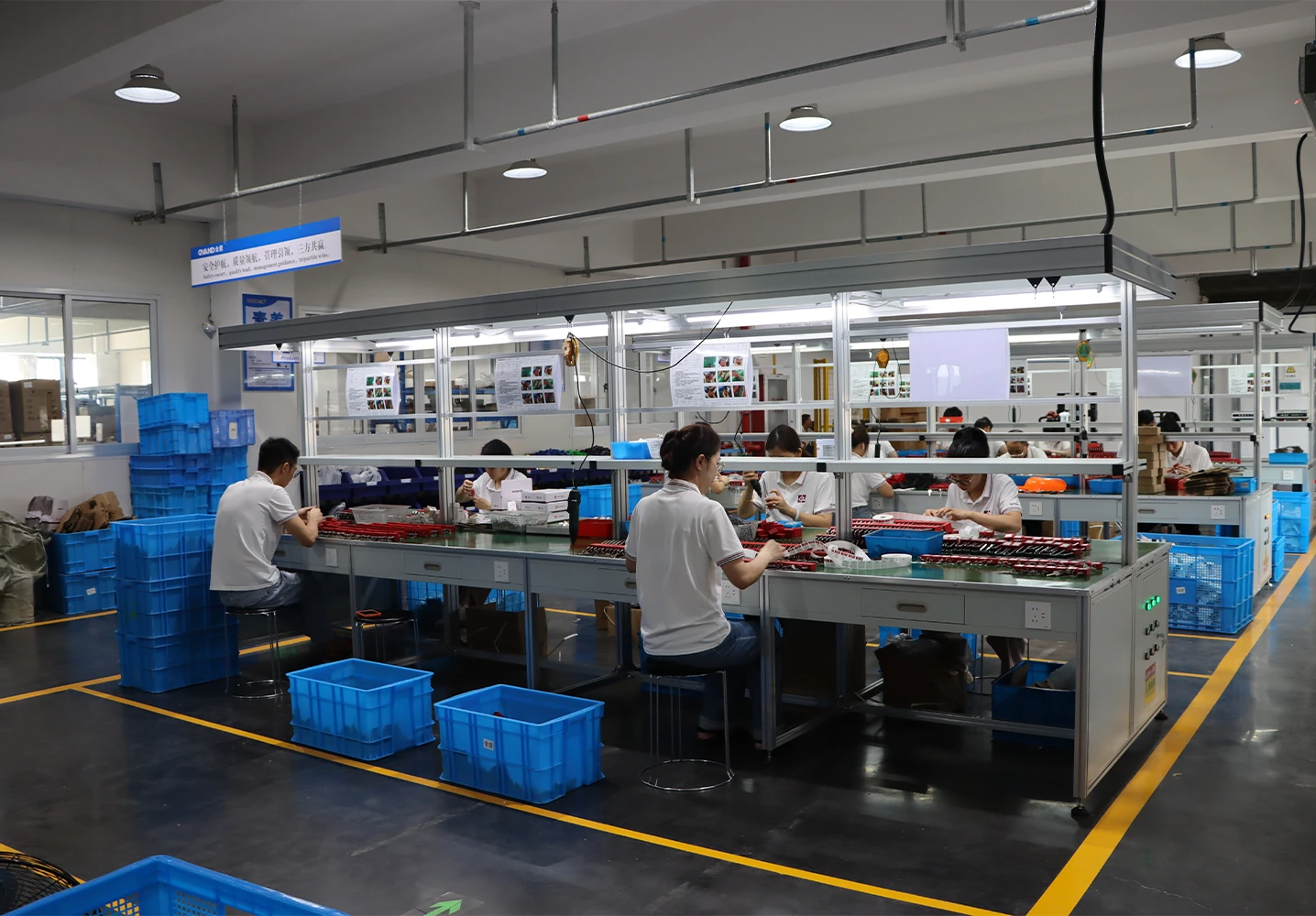
Stable Production Control
Automated production equipment supports steady batch output.
Workshop procedures help maintain consistent product quality.
Factory coordination keeps repeat orders moving on schedule.
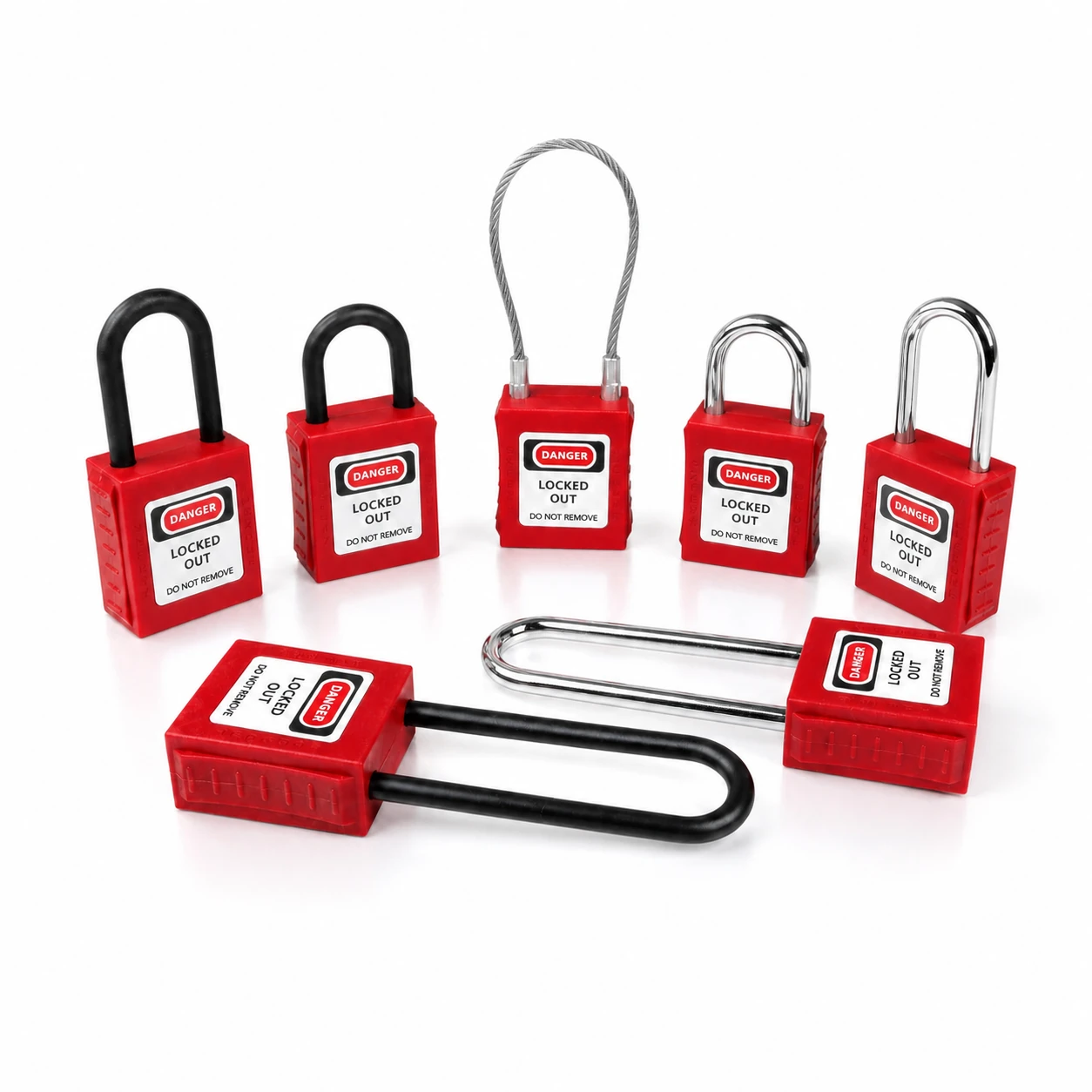 Warning Scaffold Tag
Warning scaffold tags help teams display lockout status, inspection notes, and restricted-use reminders with higher visibility.
View More
Warning Scaffold Tag
Warning scaffold tags help teams display lockout status, inspection notes, and restricted-use reminders with higher visibility.
View More
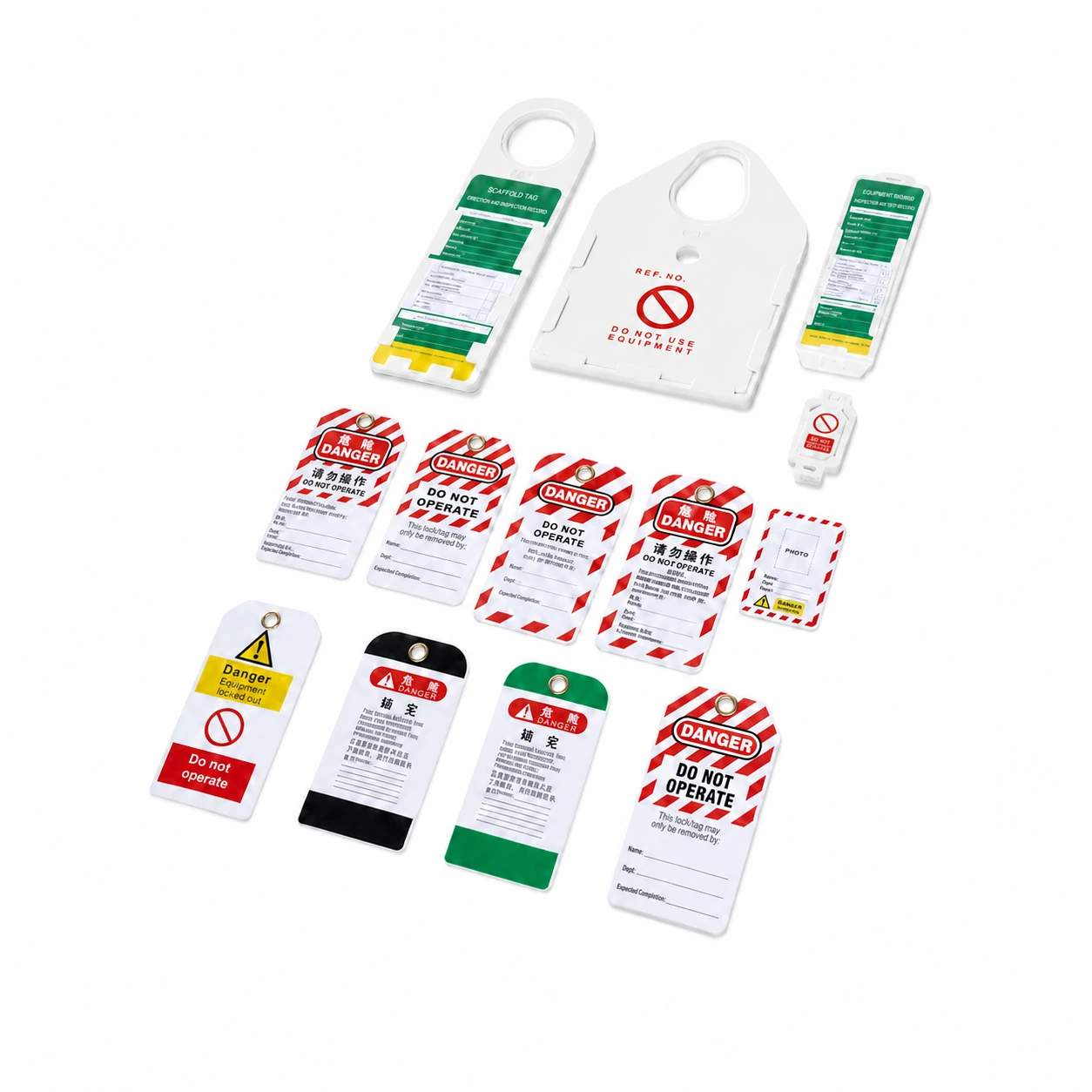 Safety Padlock Hasp
Reliable lockout hasps allow multiple workers to secure one energy source while keeping procedures clear and coordinated.
View More
Safety Padlock Hasp
Reliable lockout hasps allow multiple workers to secure one energy source while keeping procedures clear and coordinated.
View More
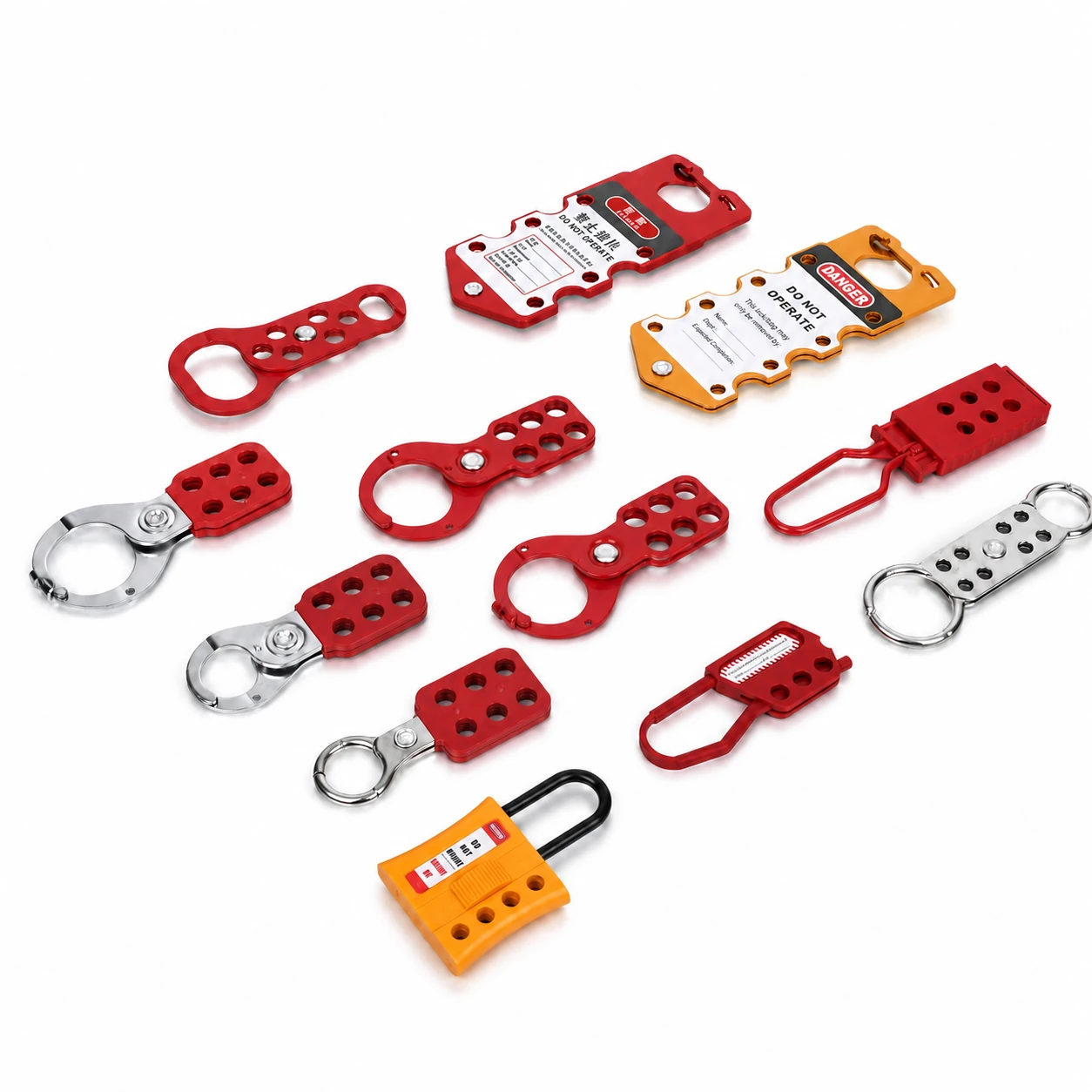 Safety Valve Lockout
Valve lockout solutions for gate valves, ball valves, and industrial shut-off points across process and utility systems.
View More
Safety Valve Lockout
Valve lockout solutions for gate valves, ball valves, and industrial shut-off points across process and utility systems.
View More
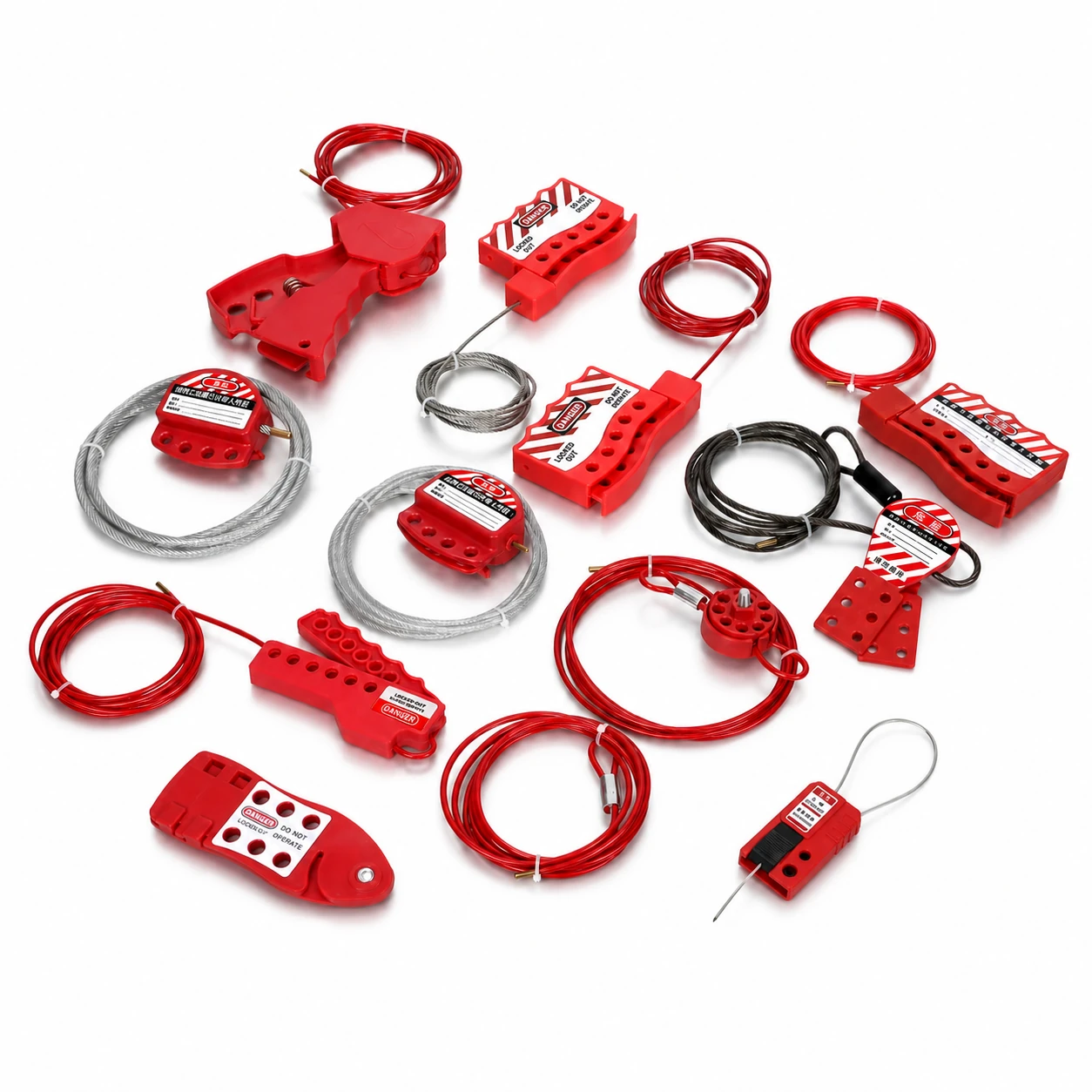
 Safety Cable Lockout
Flexible cable lockouts help isolate irregular energy points and grouped equipment where standard devices cannot cover.
View More
Safety Cable Lockout
Flexible cable lockouts help isolate irregular energy points and grouped equipment where standard devices cannot cover.
View More
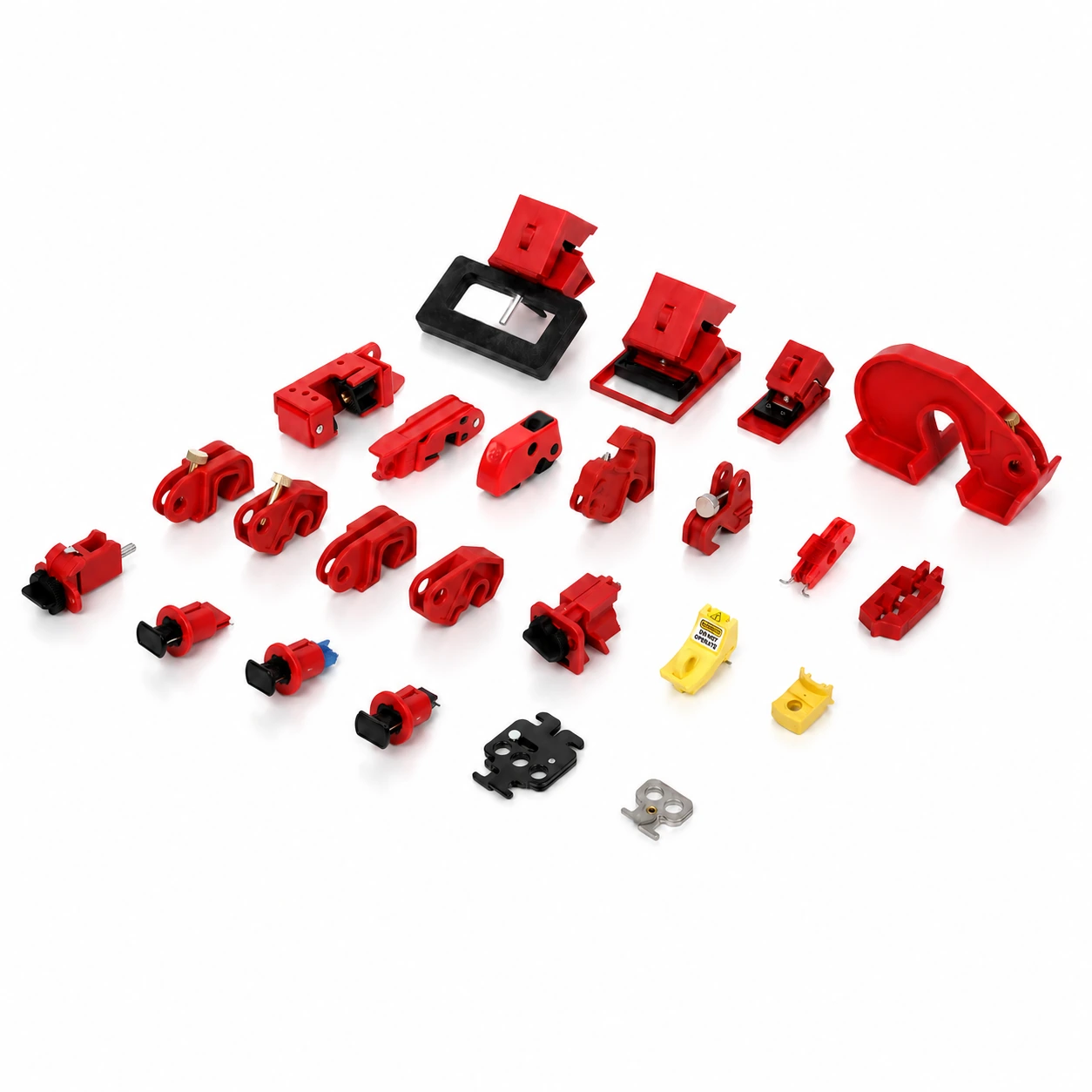
 Circuit Breaker Lockout
Breaker lockout devices secure miniature and molded case breakers with dependable fit and quick operator handling.
View More
Circuit Breaker Lockout
Breaker lockout devices secure miniature and molded case breakers with dependable fit and quick operator handling.
View More
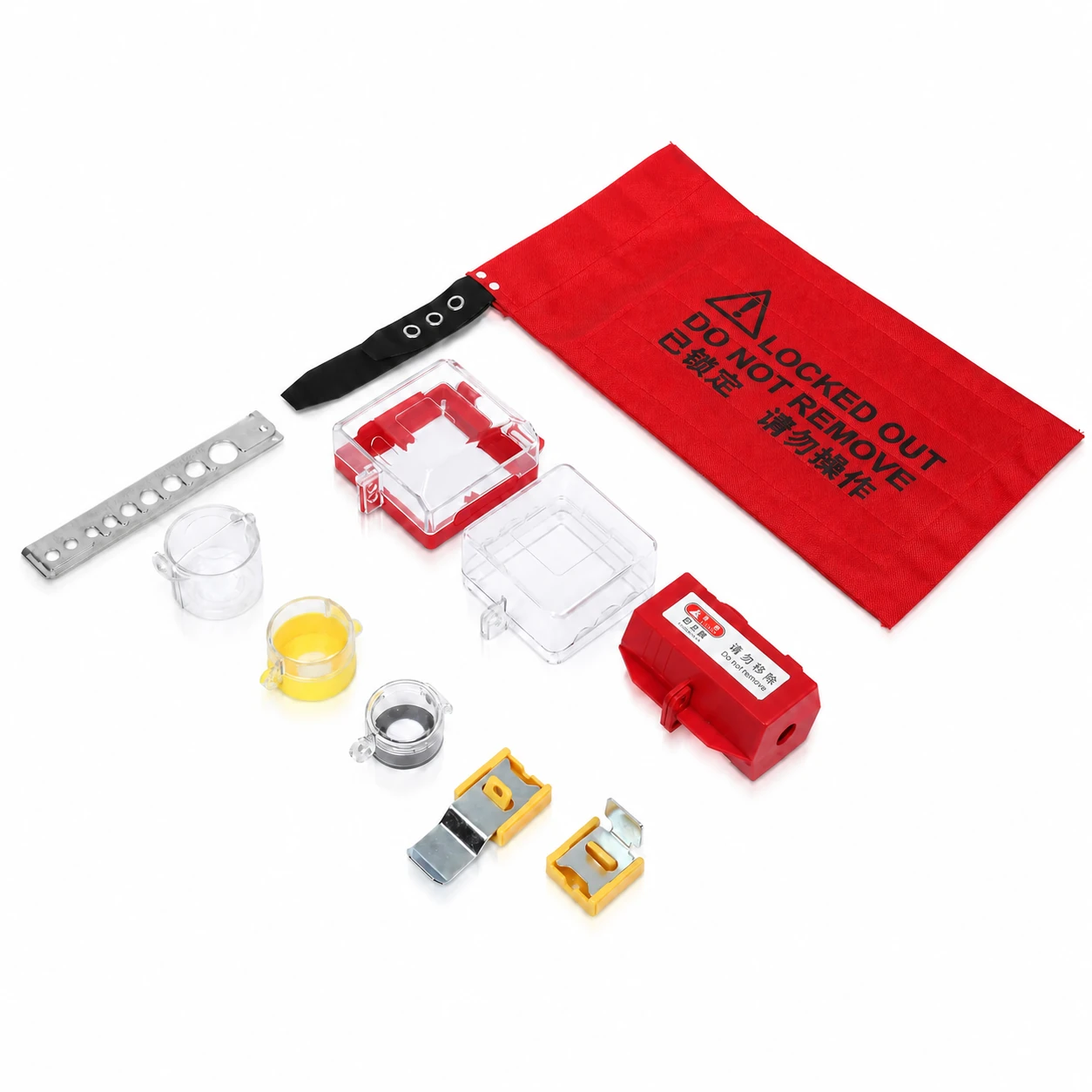
 Electrical Switch Lockout
Switch lockout devices support safer control of push buttons, wall switches, and local electrical operating positions.
View More
Electrical Switch Lockout
Switch lockout devices support safer control of push buttons, wall switches, and local electrical operating positions.
View More
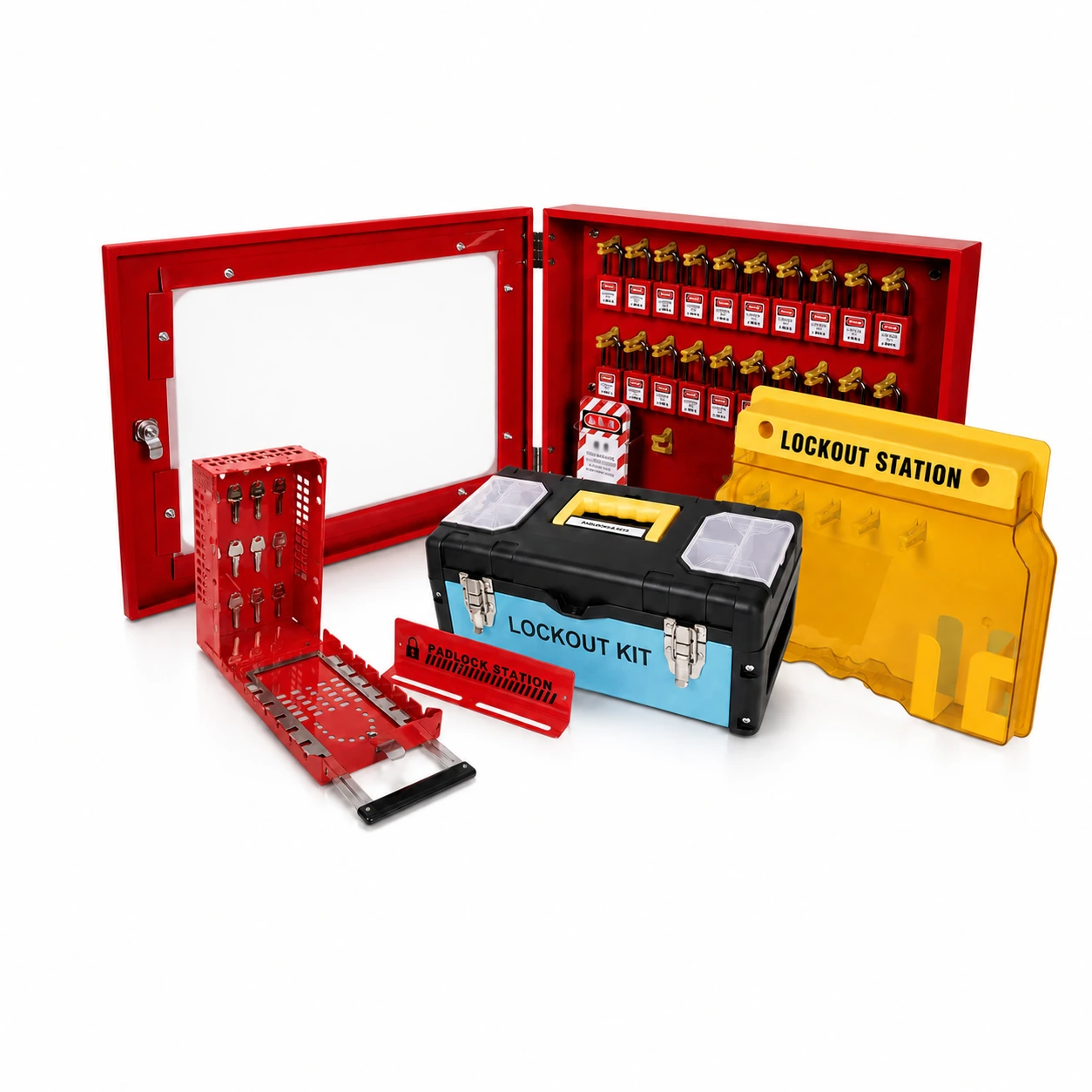
 Safety Padlock Lockout Station
Lockout stations centralize padlocks, tags, hasps, and procedure accessories for cleaner visual control on site.
View More
Safety Padlock Lockout Station
Lockout stations centralize padlocks, tags, hasps, and procedure accessories for cleaner visual control on site.
View More
Automated production equipment supports steady batch output.
Workshop procedures help maintain consistent product quality.
Factory coordination keeps repeat orders moving on schedule.

Technical teams help confirm the right product fit.
Sample details can be reviewed before bulk production.
Buyer questions receive clearer product and application support.
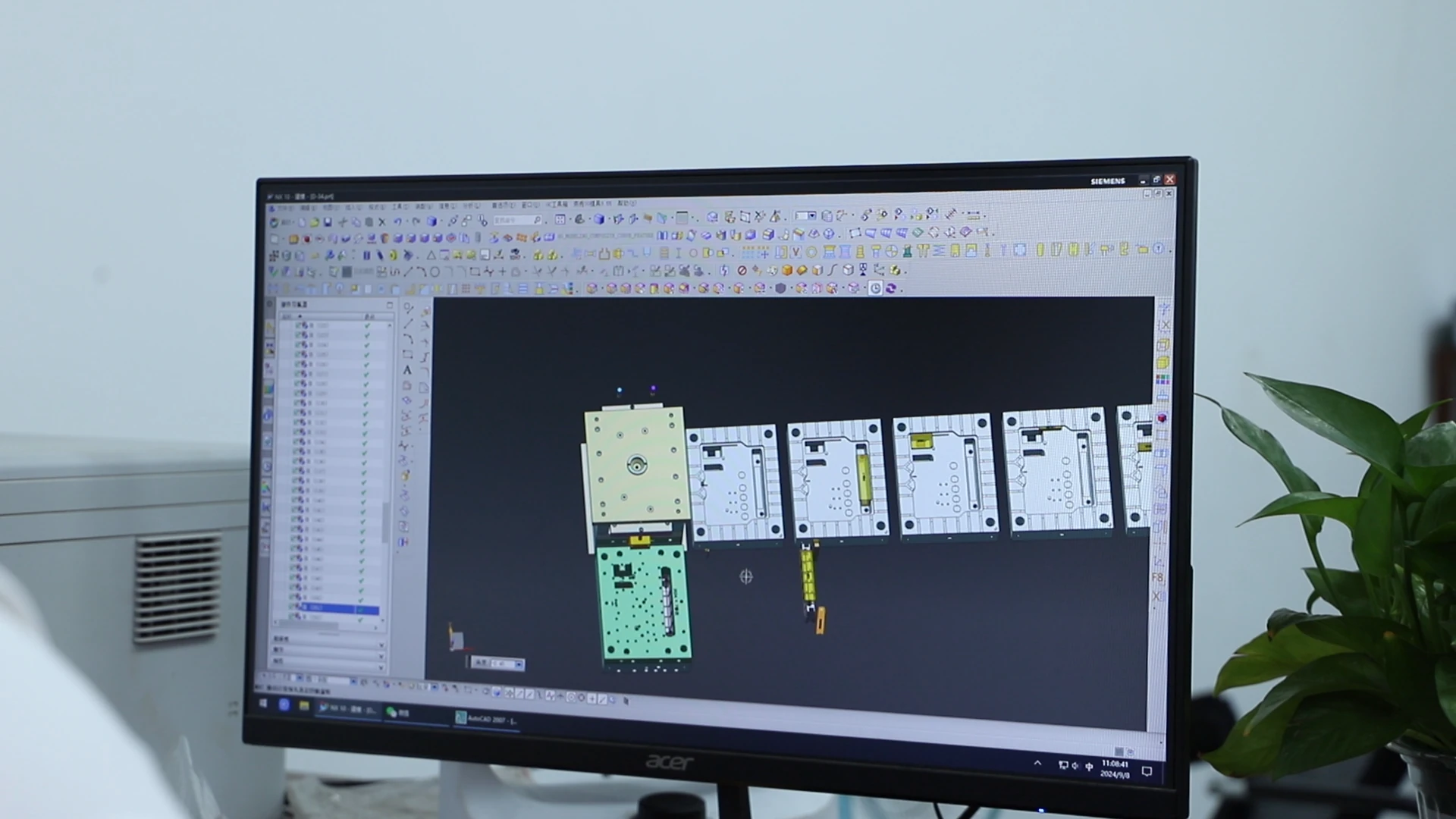
Product structures are reviewed through design files.
Mold details are refined for stable manufacturing.
Category updates focus on safer daily isolation use.
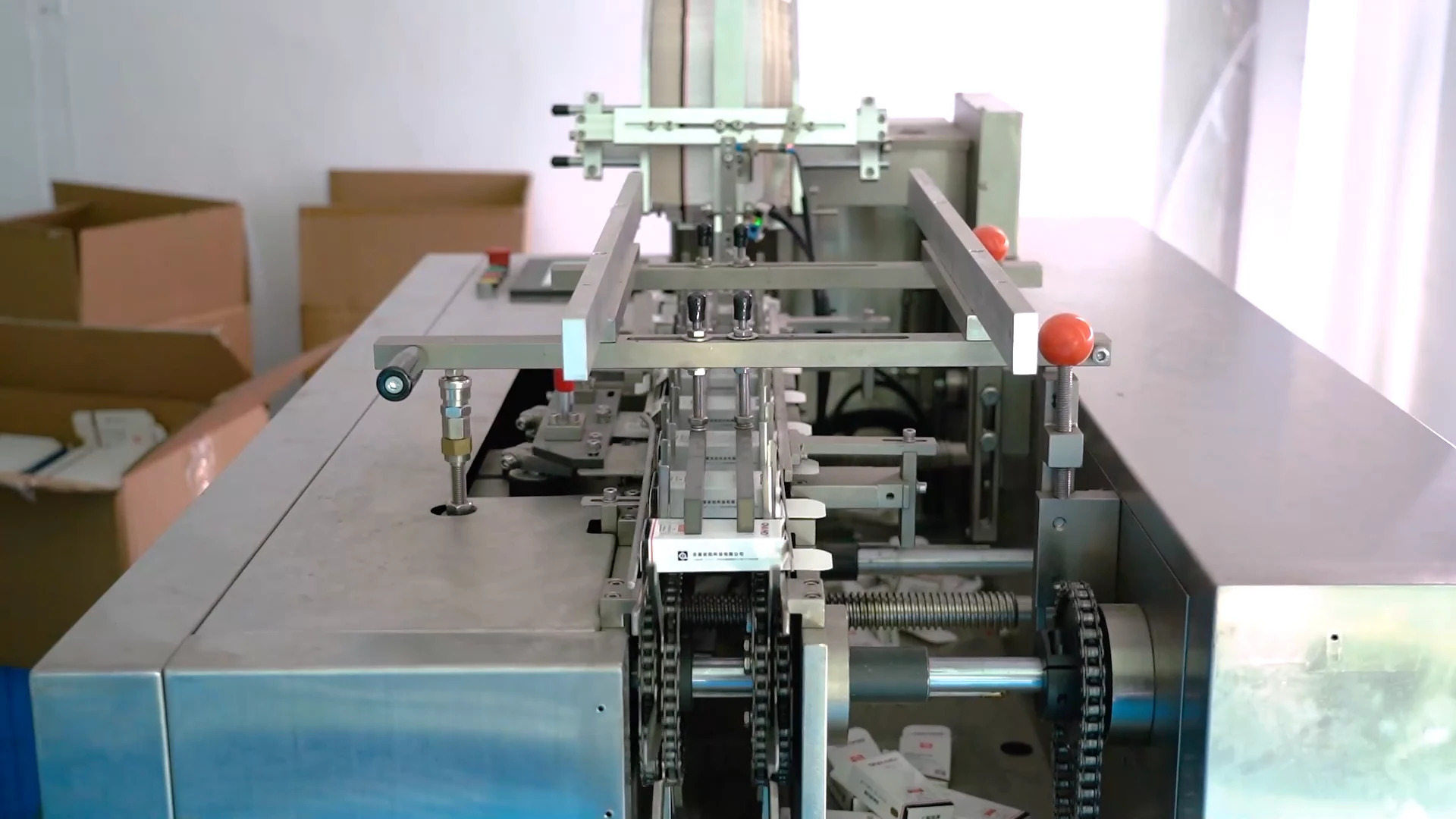
Logo, label, color, and packaging details can be customized.
Packing workflows support distributor-ready shipment.
Standard orders and tailored projects can both be handled.
QVAND Security Product Co., Ltd. is a Wenzhou-based LOTO manufacturer serving global distributors, importers, and project teams. Our solutions support OSHA-oriented safety practices and align with GB/T 33579-2017 for mechanical and hazardous-energy control. Since 2015, we have combined product development, manufacturing, OEM customization, and export support to help customers improve site safety and operating efficiency.
Focused on practical LOTO manufacturing, export support, and steady buyer communication.
Serving importers, distributors, and project sourcing teams.
Color, logo, packaging, and combination sets can be tailored.
Factory profile, production capability, and OEM cooperation details.

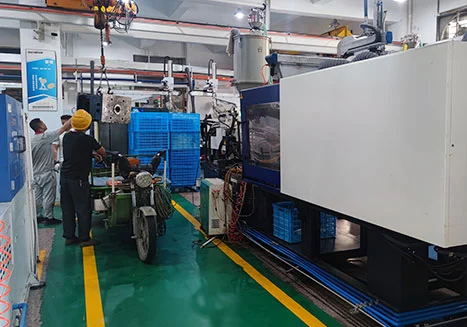
From material inspection to finished product checks, QVAND builds around reliable operation, visual warning clarity, and stable batch quality.
Learn About Factory
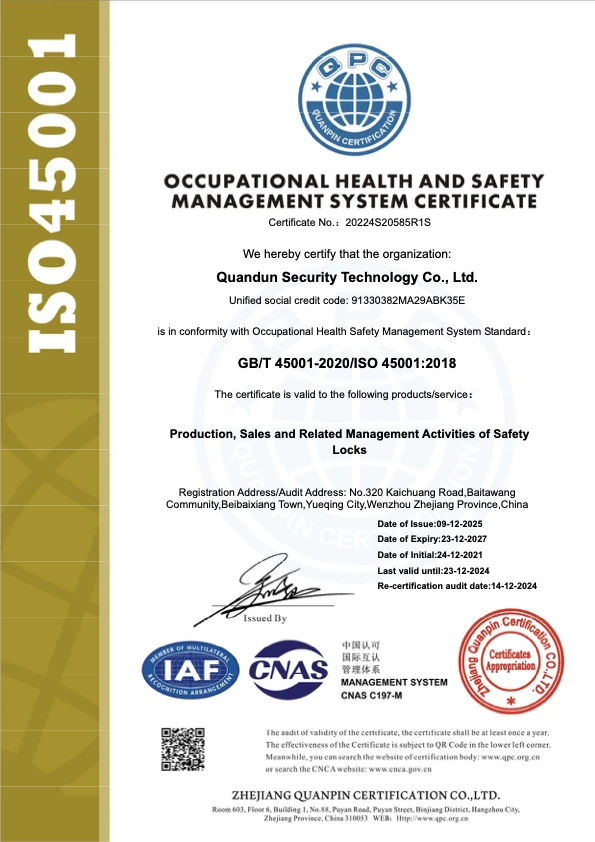
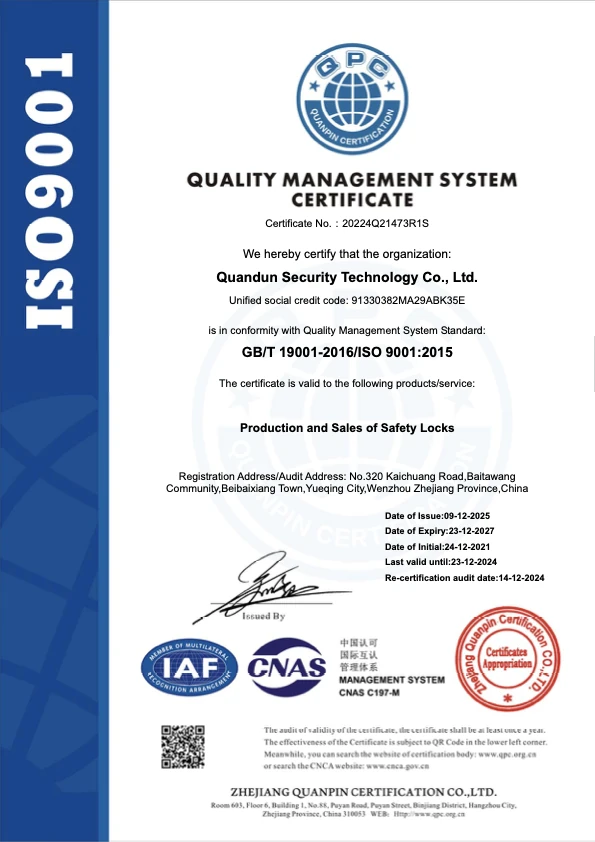
CE certificates and report files prepared for sourcing review, project evaluation, and export support.

10+
Real cooperation logos collected from the legacy QVAND site, presented in a cleaner brand wall to support industrial buyer trust and sourcing credibility.











Recent product guidance, factory updates, and sourcing notes presented in a cleaner news layout for homepage browsing.
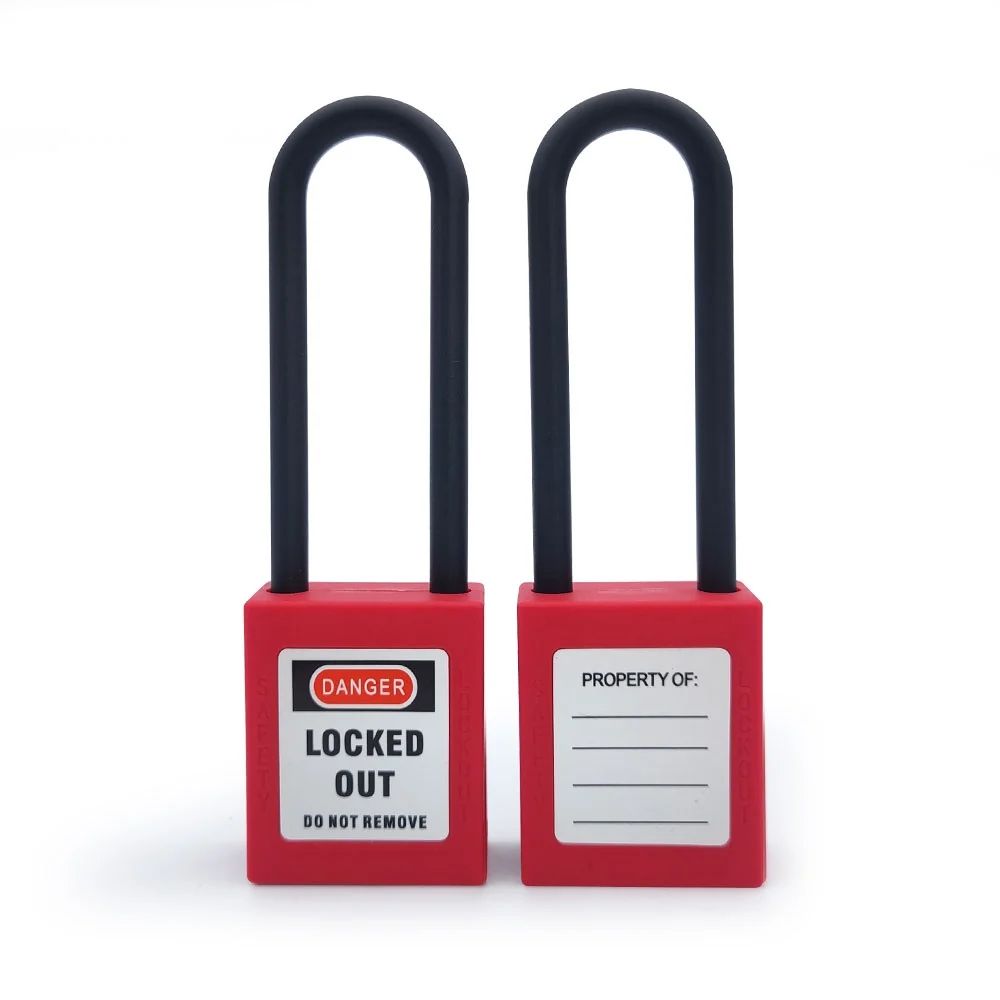
When an EHS manager in Ohio reviewed a maintenance isolation plan for a conveyor drive, the disconnect appeared to be secured and the crew was ready to begin. A rapid review exposed the failure: the lock did not fit the isolation point as specified, the procedure did not identify every energy source, and no clear individual-accountability step had been assigned. This illustrative example was not a defective-lock problem; it was a selection and program-design problem, which is where durable energy-control performance begins. Summary: Effective hazardous-energy control works only when each authorized employee can isolate, secure, tag, release stored energy, and verify the control before service begins. OSHA’s 29 CFR 1910.147 requires an energy-control program and a verification step; compatible padlocks with managed keying and identification space turn those requirements into a repeatable field process. Start with an equipment survey and match each device to the isolation point and written procedure....
Read More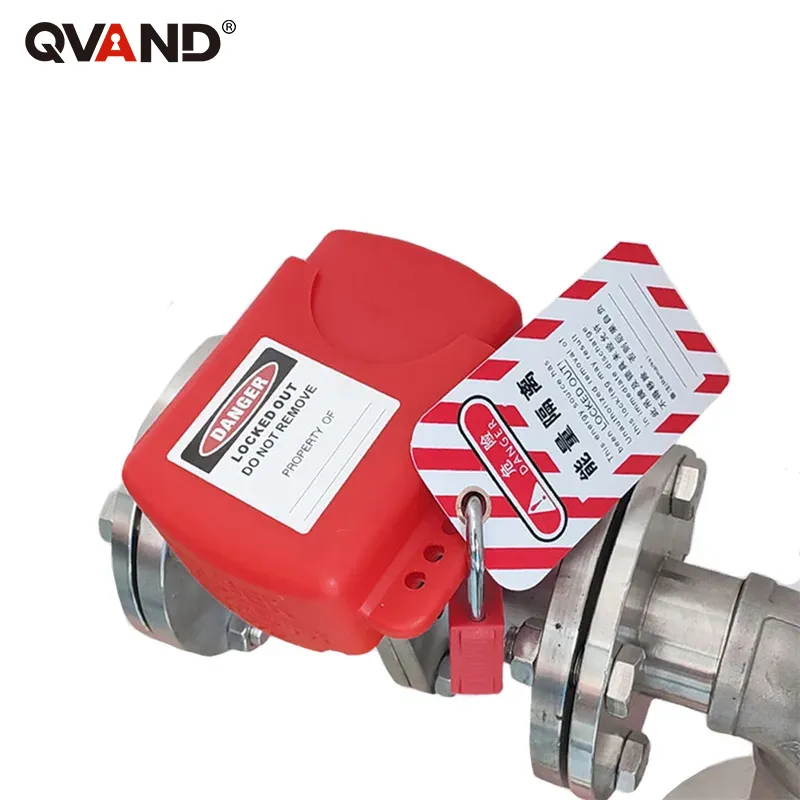
In industrial environments, valve lockout procedures play an essential role in preventing accidents caused by the unexpected release of hazardous energy. During equipment maintenance, properly applying valve lockout devices and selecting the right valve lockout kits can help protect workers, improve workplace safety, and ensure compliance with lockout tagout (LOTO) requirements. A reliable valve lockout system not only reduces the risk of injuries but also helps companies create a safer and more efficient maintenance process. What Is Valve Lockout and Why Is It Important? Valve lockout is a safety procedure used to prevent the accidental operation of valves that control hazardous energy sources, including gas, liquid, steam, and other industrial materials. During maintenance or repair work, unexpected valve activation can lead to dangerous situations such as chemical leaks, equipment damage, or serious injuries. By installing a valve lockout device, workers can physically secure the valve in an isolated position and...
Read More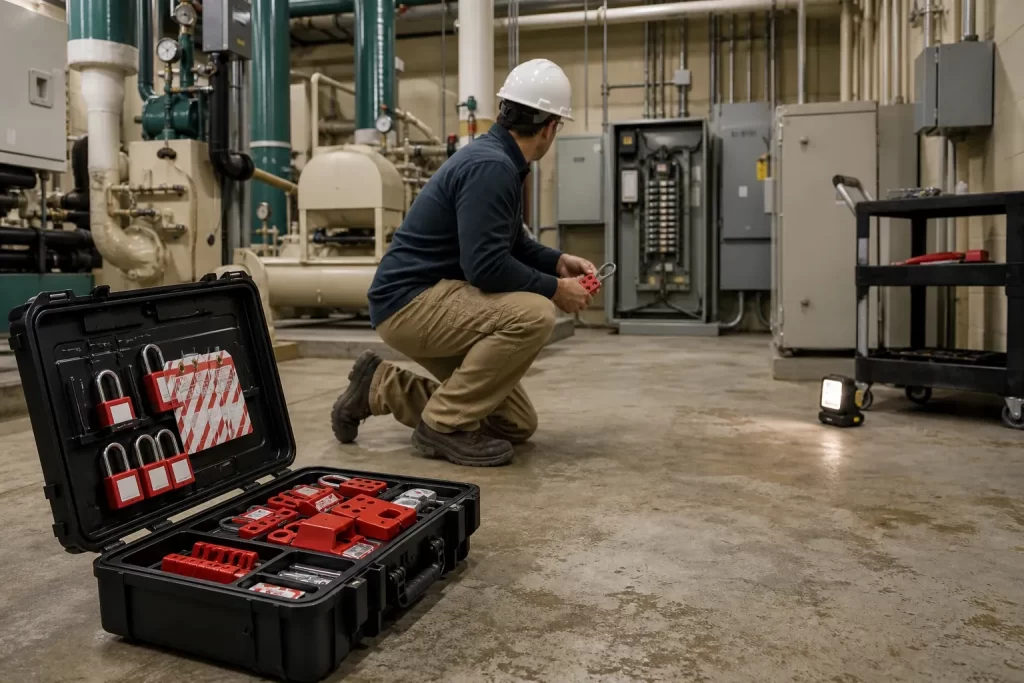
Keeping the workplace safe is essential, especially when servicing machinery and equipment that may unexpectedly release hazardous energy. Safety lockout procedures help protect workers by preventing equipment from being accidentally started during maintenance or repair. This guide contains all the information that you might need to know about safety lockout, including its meaning, reasons why it is important, and types of devices. What Is Safety Lockout? Safety lockout is the process of isolating hazardous energy and securing equipment to prevent accidental startup during maintenance or servicing. By locking energy isolation devices, authorized workers can safely perform maintenance without the risk of unexpected machine operation. Safety lockout systems typically include padlocks, tags, hasps, and other lockout/tagout (LOTO) devices that work together to ensure workplace safety. Why Is Safety Lockout Important? Implementing effective safety lockout procedures is vital for several reasons: 1. Protecting Workers Safety lockout significantly reduces the risk of workplace injuries...
Read MoreSend product models, quantity, or OEM requirements for selection and quotation support.