
In industrial environments, valve lockout procedures play an essential role in preventing accidents caused by the unexpected release of hazardous energy. During equipment maintenance, properly applying valve lockout devices and selecting the right valve lockout kits can help protect workers, improve workplace safety, and ensure compliance with lockout tagout (LOTO) requirements.
A reliable valve lockout system not only reduces the risk of injuries but also helps companies create a safer and more efficient maintenance process.
What Is Valve Lockout and Why Is It Important?
Valve lockout is a safety procedure used to prevent the accidental operation of valves that control hazardous energy sources, including gas, liquid, steam, and other industrial materials.
During maintenance or repair work, unexpected valve activation can lead to dangerous situations such as chemical leaks, equipment damage, or serious injuries. By installing a valve lockout device, workers can physically secure the valve in an isolated position and prevent unauthorized operation.
Valve lockout is widely used in industries such as:
- Manufacturing
- Chemical processing
- Oil and gas
- Power generation
- HVAC systems
- Water treatment
Following proper lockout tagout (LOTO) procedures helps organizations improve workplace safety, meet regulatory requirements, and reduce operational risks.
How Does a Valve Lockout Device Work?
A valve lockout device works by physically blocking the valve operating mechanism, preventing the valve from being opened or closed during maintenance activities.
Most valve lockout devices are made from durable materials such as reinforced plastic or industrial-grade polymers, allowing them to withstand harsh working environments. The device is installed over or around the valve handle and secured with a safety padlock or lockout hasp.
The basic valve lockout process includes:
- Identify the valve and connected energy sources.
- Shut down the equipment according to safety procedures.
- Apply the appropriate valve lockout device.
- Attach lockout tags and personal padlocks.
- Verify energy isolation before starting maintenance.
This process ensures that only authorized personnel can remove the lockout equipment and restore operation.
What Types of Valve Lockout Devices Are Available?
Different industrial valves require different lockout solutions. Choosing the correct device ensures effective isolation and maximum safety.
Ball Valve Lockout
A ball valve lockout device is specifically designed to prevent ball valves from being turned during maintenance. It secures the valve handle in either the open or closed position, depending on safety requirements.
Ball valve lockouts are commonly used in industrial pipelines, manufacturing equipment, and processing systems.
Gate Valve Lockout
A gate valve lockout is designed for gate valves with wheel handles. The device surrounds the valve handle and prevents accidental movement while maintenance work is being performed.
Butterfly Valve Lockout
A butterfly valve lockout prevents unauthorized operation of butterfly valves by securing the valve handle or control mechanism.
Plug Valve Lockout
A plug valve lockout is used for plug valves commonly found in industrial applications where reliable energy isolation is required.
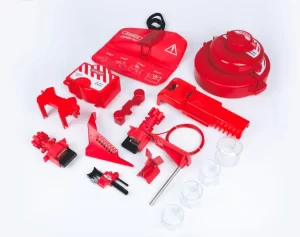
What Is Included in a Valve Lockout Kit?
A complete valve lockout kit contains various tools needed to perform safe valve isolation procedures.
Typical components include:
- Valve lockout devices
- Safety padlocks
- Lockout tags
- Lockout hasps
- Cable lockout accessories
- Instruction guides
- Storage cases
A properly equipped valve lockout kit allows maintenance teams to handle different valve types and improve efficiency during safety procedures.
How to Choose the Right Valve Lockout Kit?
Selecting the correct valve lockout kit depends on several important factors:
1. Valve Types and Sizes
Identify the valves used in your facility, including ball valves, gate valves, butterfly valves, and plug valves. Different valve designs require different lockout solutions.
2. Material Durability
Choose lockout devices made from strong and chemical-resistant materials that can withstand your working environment.
3. Safety Compliance
Ensure the equipment follows relevant lockout tagout (LOTO) safety standards and workplace regulations.
4. Ease of Installation
A good valve lockout device should be easy to install, remove, and operate without causing unnecessary maintenance delays.
5. Compatibility
Adjustable valve lockout devices can provide greater flexibility by fitting different valve sizes and applications.
What Are the Best Practices for Valve Lockout Procedures?
Following proper valve lockout procedures is essential for maintaining a safe working environment.
The recommended best practices include:
- Identify all hazardous energy sources before maintenance.
- Inform all affected employees about the lockout process.
- Select the correct valve lockout device for the application.
- Apply personal locks and safety tags.
- Confirm that the energy source has been completely isolated.
- Remove lockout devices only by authorized personnel.
Consistent use of valve lockout best practices helps prevent accidents and supports a strong workplace safety culture.
Why Is Ball Valve Lockout Important for Industrial Safety?
A ball valve lockout provides an effective solution for preventing accidental valve operation in industrial systems.
Without proper valve isolation, workers may face risks caused by:
- Pressurized liquids or gases
- Chemical exposure
- Unexpected equipment movement
- System failures
Using the correct ball valve lockout device ensures that valves remain securely controlled throughout maintenance operations.
Conclusion
Applying effective valve lockout techniques is essential in protecting workers in different sectors. Organizations need to comprehend the significance of lockout devices, various types of lockout kits available, and the selection of appropriate devices in order to create a safe working environment. The appropriate investment in valve lockout systems not only enhances security levels but also renders benefits of efficiency and regulatory compliance.