
News & Blog

Valve Lockout Best Practices: Choosing Kits, Devices and Safety Solutions
News

Valve Lockout Best Practices: Choosing Kits, Devices and Safety Solutions

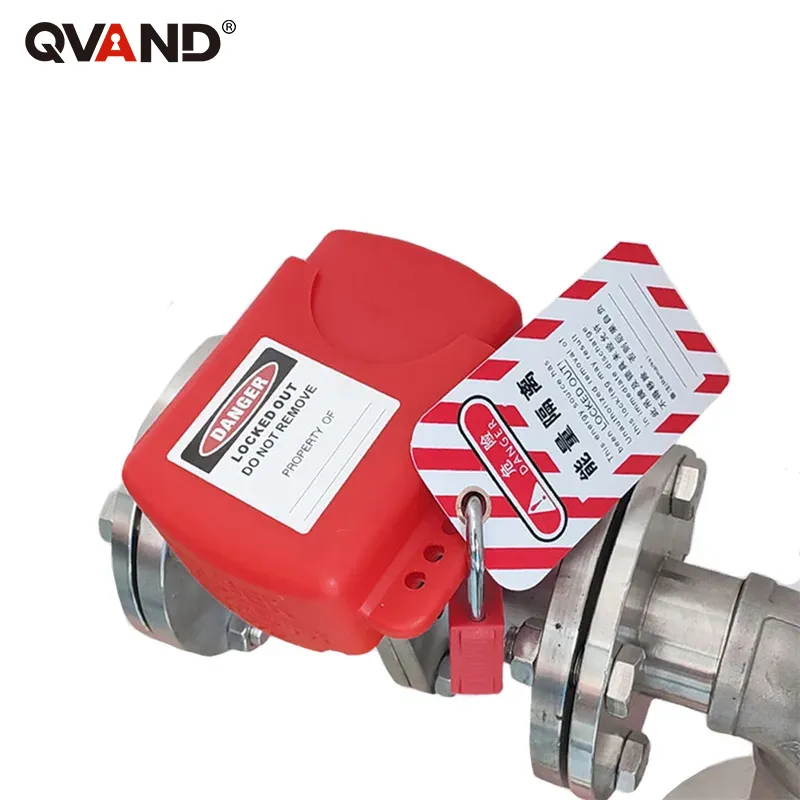
In industrial environments, valve lockout procedures play an essential role in preventing accidents caused by the unexpected release of hazardous energy. During equipment maintenance, properly applying valve lockout devices and selecting the right valve lockout kits can help protect workers, improve workplace safety, and ensure compliance with lockout tagout (LOTO) requirements. A reliable valve lockout system not only reduces the risk of injuries but also helps companies create a safer and more efficient maintenance process. What Is Valve Lockout and Why Is It Important? Valve lockout is a safety procedure used to prevent the accidental operation of valves that control hazardous energy sources, including gas, liquid, steam, and other industrial materials. During maintenance or repair work, unexpected valve activation can lead to dangerous situations such as chemical leaks, equipment damage, or serious injuries. By installing a valve lockout device, workers can physically secure the valve in an isolated position and prevent unauthorized operation. Valve lockout is widely used in industries such as: Manufacturing Chemical processing Oil and gas Power generation HVAC systems Water treatment Following proper lockout tagout (LOTO) procedures helps organizations improve workplace safety, meet regulatory requirements, and reduce operational risks. How Does a Valve Lockout Device Work? A valve lockout device works by physically blocking the valve operating mechanism, preventing the valve from being opened or closed during...

Read Article
Safety Lockout: Complete Guide to LOTO Devices
News

Safety Lockout: Complete Guide to LOTO Devices

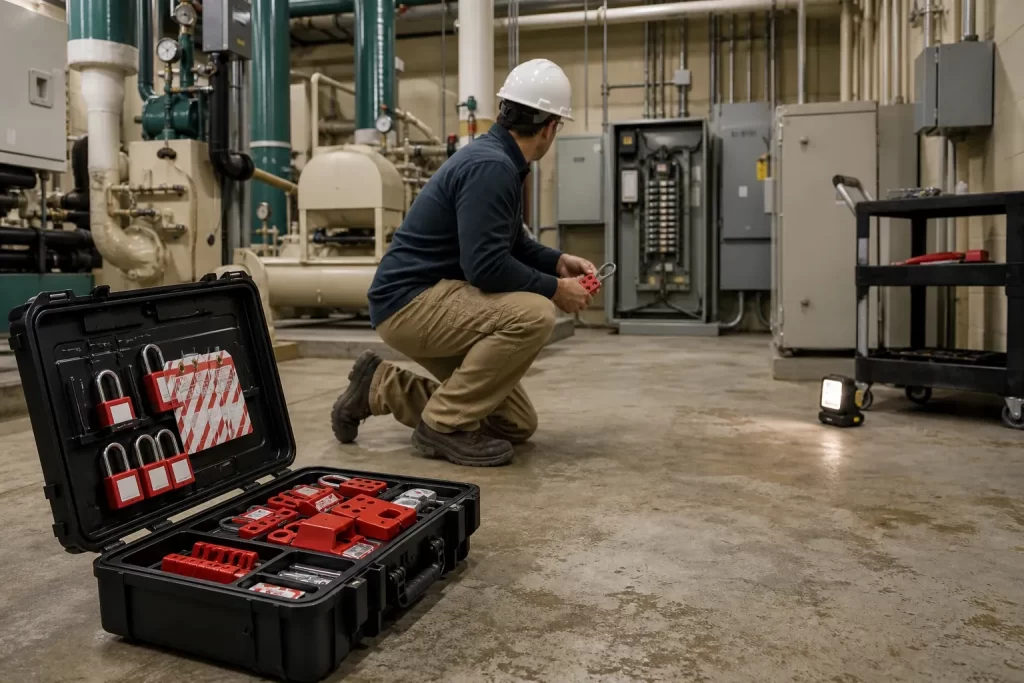
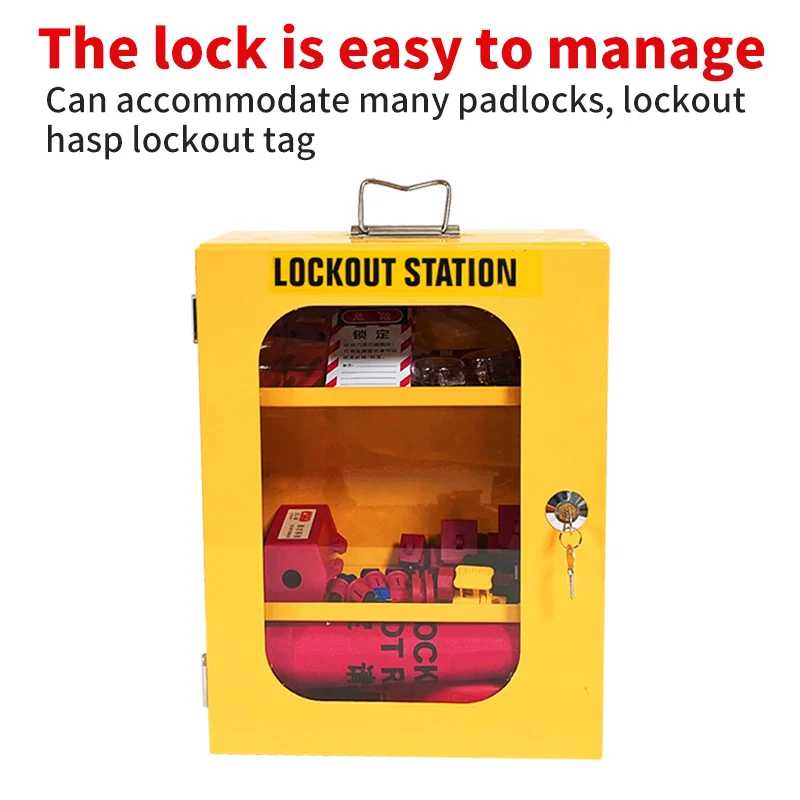
Keeping the workplace safe is essential, especially when servicing machinery and equipment that may unexpectedly release hazardous energy. Safety lockout procedures help protect workers by preventing equipment from being accidentally started during maintenance or repair. This guide contains all the information that you might need to know about safety lockout, including its meaning, reasons why it is important, and types of devices. What Is Safety Lockout? Safety lockout is the process of isolating hazardous energy and securing equipment to prevent accidental startup during maintenance or servicing. By locking energy isolation devices, authorized workers can safely perform maintenance without the risk of unexpected machine operation. Safety lockout systems typically include padlocks, tags, hasps, and other lockout/tagout (LOTO) devices that work together to ensure workplace safety. Why Is Safety Lockout Important? Implementing effective safety lockout procedures is vital for several reasons: 1. Protecting Workers Safety lockout significantly reduces the risk of workplace injuries and fatalities by ensuring equipment remains de-energized throughout maintenance activities. 2. Regulatory Compliance Safety regulations, including OSHA's Lockout/Tagout Standard, require employers to establish and follow proper LOTO procedures to protect employees from hazardous energy. 3. Preventing Costly Accidents Proper lockout/tagout practices help prevent equipment damage, reduce operational downtime, avoid workplace accidents, and minimize legal and financial risks. What Is Safety Lockout Tagout (LOTO)? Safety lockout tagout (LOTO) is a standardized...

Read Article